Beverly Smith: Patience, Persistence, and Perspective
Russell Worth Parker, Editor in Chief


Named for South Carolina’s Ashepoo, Combahee, and Edisto rivers winding through upland forest and wetland marsh towards St. Helena Sound before merging with the Atlantic Ocean, the ACE Basin is the Lowcountry. One of the largest undeveloped wetland and upland ecosystems east of the Mississippi River, the ACE is a 1.6 million-acre manifestation of an ideal elevating wildlife conservation, preservation of traditions, and the public appreciation of both. It’s a vibrant, life-giving place, and Beverly Smith was immersed in it from childhood. “The ACE Basin Task Force, which started the conservation initiative, was chaired by my father. So, I grew up with this concept that you could do something big, and that being a part of saving land, doing something about it, is the highest mark of living a good life.”
While Smith is as much of the Lowcountry as from it, she now lives her good life in Jackson Hole, Wyoming, with her husband and two daughters. Landing in the valley between the Gros Ventre and Teton mountain ranges immediately after college, a western excursion intended to last three months, Smith found work with a local conservation organization. She also moonlighted in a fly shop because she could “get a discounted rod, and I just love to fish. My husband was a guide that first year we met. That was my group of friends.”

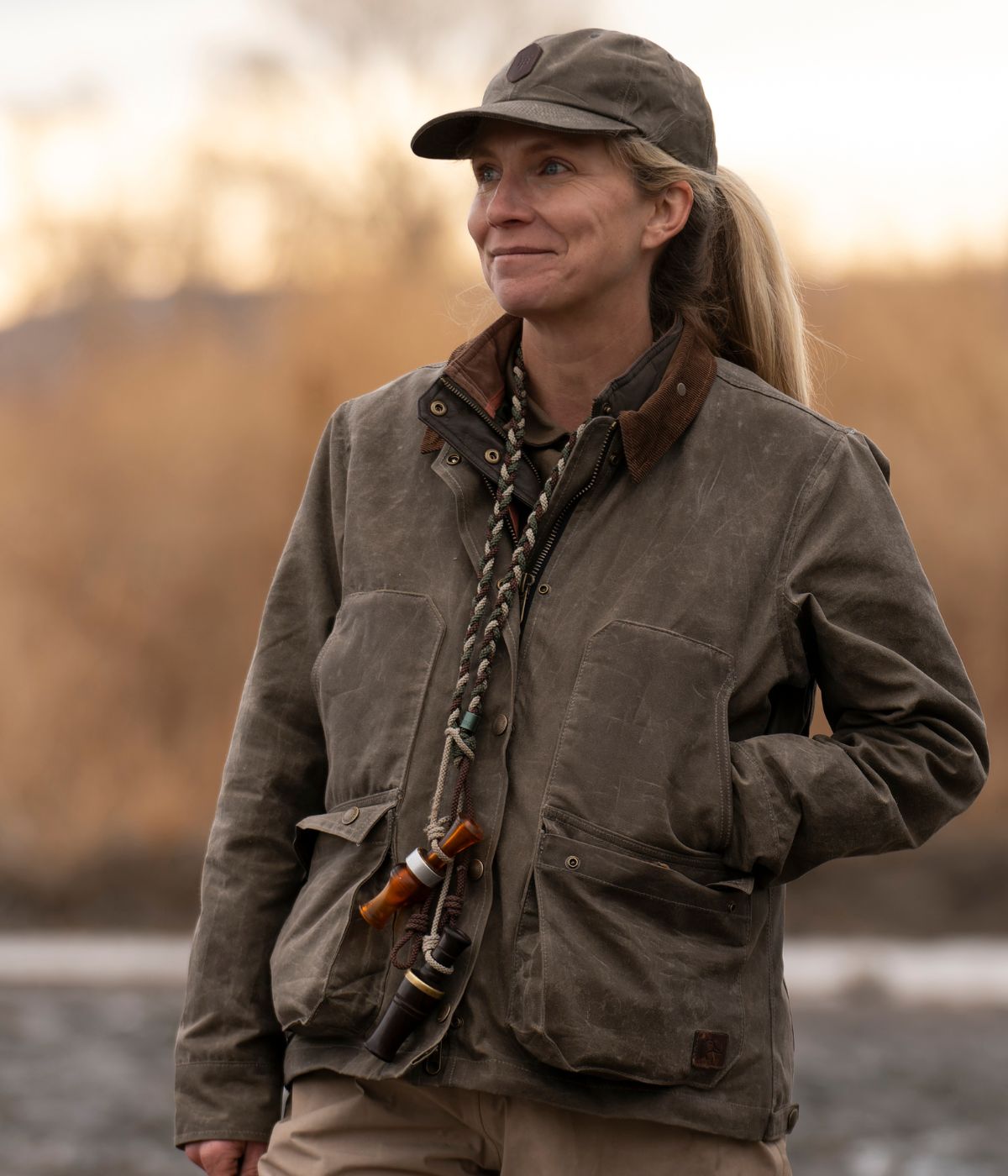
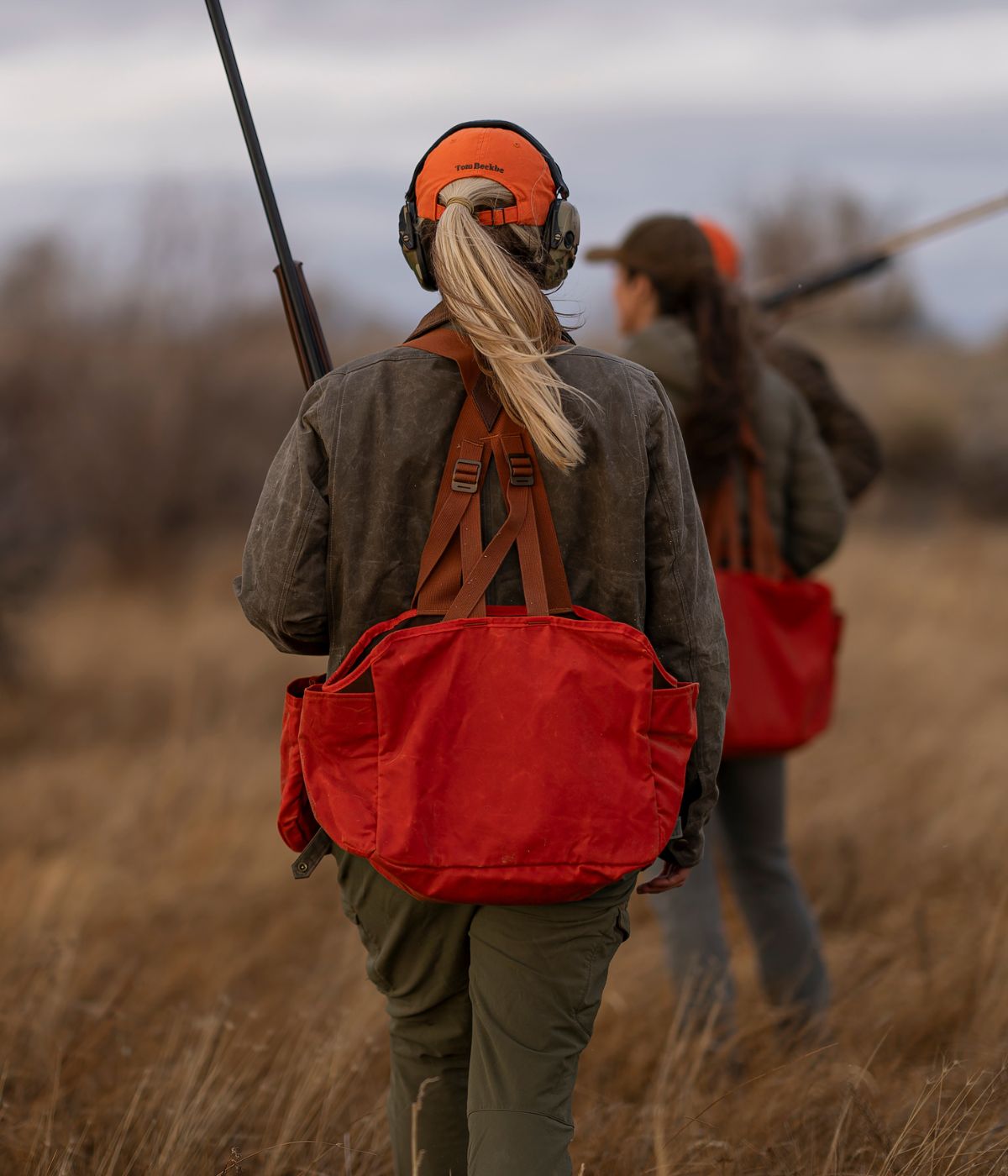
Three months became a year, one year became another, and she found her way to Trout Unlimited, where after nineteen years, she’s now Vice President for Engagement, the perfect marriage of her passions for conservation and fly-fishing. But while she is more often found casting artful loops in a mountain stream, Smith “grew up duck hunting, just waders in the mud” with her father, a Ducks Unlimited board member. As a result, the waterfowl of the Pacific Flyway have her attention, and that of her family. “I know I am incredibly privileged to have the opportunities that I have for ducks. Out west, we're hunting all public land, in spots we scouted; with the dog we trained. It's incredibly rewarding.” With youth programs under Smith’s purview at Trout Unlimited, she brings her work home with her. “My daughters are twelve and nine, and they've been coming with us since they were little. My eldest shot her first duck, a mallard, on the last day of the season in Idaho.”
The instinct motivating Smith at work and home, to share with others the things her father and his friends shared with her, like the sublime moment “pintails spot your decoys and come in like you're pulling them in on a string,” also drives her to identify apathy as the chief threat to wildlife conservation. Smith says, “I'm concerned that this huge number of people are so disconnected from wild places and wild things that they don't understand or know that they need them or that they're special or why. When humans mess things up, if you give wild spaces a fighting chance to come back, they do every time, usually faster and better than we could have imagined. If we can reweave that connectedness, the threat of apathy can be diminished. But there are a whole hell of a lot of people on this earth right now who never have the incredible privileges that I have had to recognize it and see it, and live it, and love it.”
Smith’s concerns about apathy are mitigated by her work with rising conservationists. Though the form of their commitment may be different from that of more-seasoned volunteers, “We know from data, survey work, and otherwise, that young people are showing up as volunteers even more than the Boomer generation did, especially in the environmental space. But they're not showing up to serve on a board or go to meetings in a basement on a Tuesday night. Part of our job as conservationists is to meet them where they are. A lot of that is trusting that we've got people who have the right motivation to do some pretty incredible things because their passion, their interest in doing something, their recognition that the status quo is unsustainable, is there. Many are recognizing, ‘We need to do something.’”
The need to meet growing conservationists where they are highlights the importance of science-based approaches to policy and advocacy combined with the on-the-ground community efforts that lend credibility to an organization. Smith identifies the union of science and passion as a key element of success at both Trout Unlimited and Ducks Unlimited: “There's so much overlap between what we do; we partner really well together.” Whether one is working to restore a mountain stream or fighting to preserve and protect existing prairie habitat easements, Smith says, “Water goes downhill, so we all have a stake in protecting clean water.”
“Few meaningful conservation wins are easy or quick,” says Smith, making critical what she calls “The Three Ps” - patience, persistence, and perspective. “There are a lot of losses on the way forward that can feel like two steps forward, one step back. Sometimes you have to wait things out, and restoration work takes time.” That’s where Smith’s lifelong commitment to conservation, born decades ago in the ACE Basin, matters. Asked about maintaining that commitment in the face of apathy and the sometimes glacial pace of victories, Smith again cites “The Three Ps.” But she also says her work for Trout Unlimited “bringing together diverse interests to care for and recover rivers and streams” satisfies her three values regarding work: “I believe I'm actually making a difference. I feel like the people that I do it with, many of them volunteers, are some of the best humans in the world. And I am constantly learning and being challenged. I feel very, very lucky.”
Smith’s gratitude for her work is akin to what one feels when it all comes together in a blind; the intrinsic reward for work begun long ago. With the sun just peering over the water and a talented caller hailing passing shadows against a purple sky just fading blue, ducks dip their whistling wings to circle before committing to an artful decoy spread, feet down, wings cupped. Comes the shattered quiet as a quivering retriever perfectly marks the fall. These are the things for which we work, and like Beverly Smith, we all feel very, very lucky.