The Covenant

Chad Love

“When the Man waked up he said, 'What is Wild Dog doing here?' And the Woman said, 'His name is not Wild Dog any more, but the First Friend, because he will be our friend for always and always and always. Take him with you when you go hunting.'”

-   Rudyard Kipling, Just So Stories

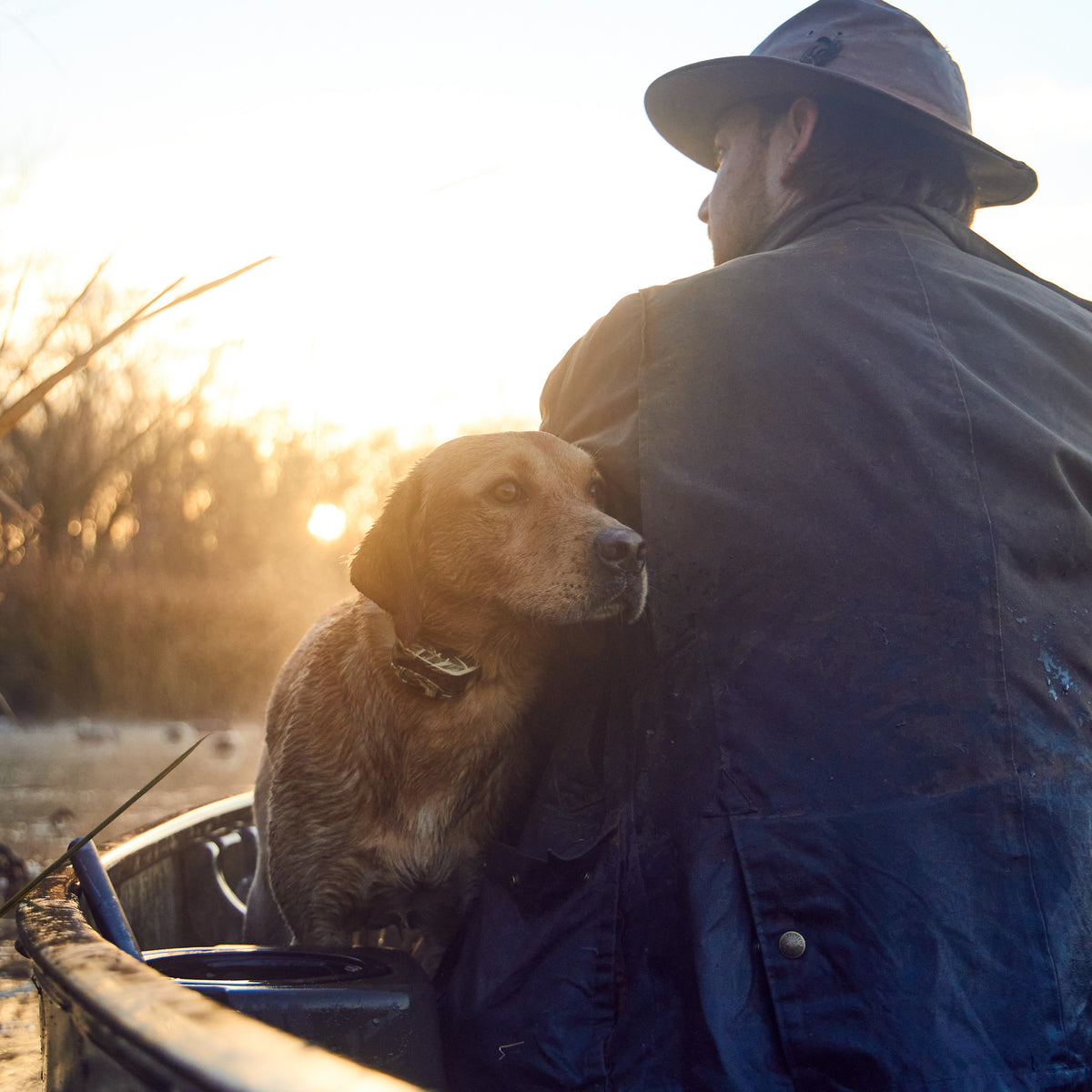
It was 4:30 in the morning when the growl, low, throaty, and menacing, woke me up. My head snapped up, and I looked over at Tess, my Chesapeake Bay retriever. She was staring intently into the darkness, alerting me to something I could neither see nor hear from inside the makeshift duck blind we occupied. On this public hunting area, you either get there early or you go home, so I had pulled into theparking area at 3:30 a.m., walked to my spot, set my decoys in the darkness, and promptly fallen asleep while waiting for shooting light.

Tess growled again, this time louder, and presently I heard feet crunching through the cattails toward us, headlamps bobbing in the darkness. Duck hunters, of course. A soft “hush” and a “no” to Tess let her know the hunters were no threat. When legal shooting light rolled around, Tess retrieved all the ducks I shot, ducks that I simply would not have been able to retrieve had I not had her with me. When we got home later that morning she jumped out of the truck, grabbed one of the many tennis balls that litter our yard, and headed straight for my children, looking for a playmate. 

That one morning sums up everything wonderful about dogs. Guardians. Hunters. Companions. Workmates. Beloved family members. Dog are all these things and more. No other domesticated animal, save perhaps the horse, is as closely tied with human evolution and history as the dog.
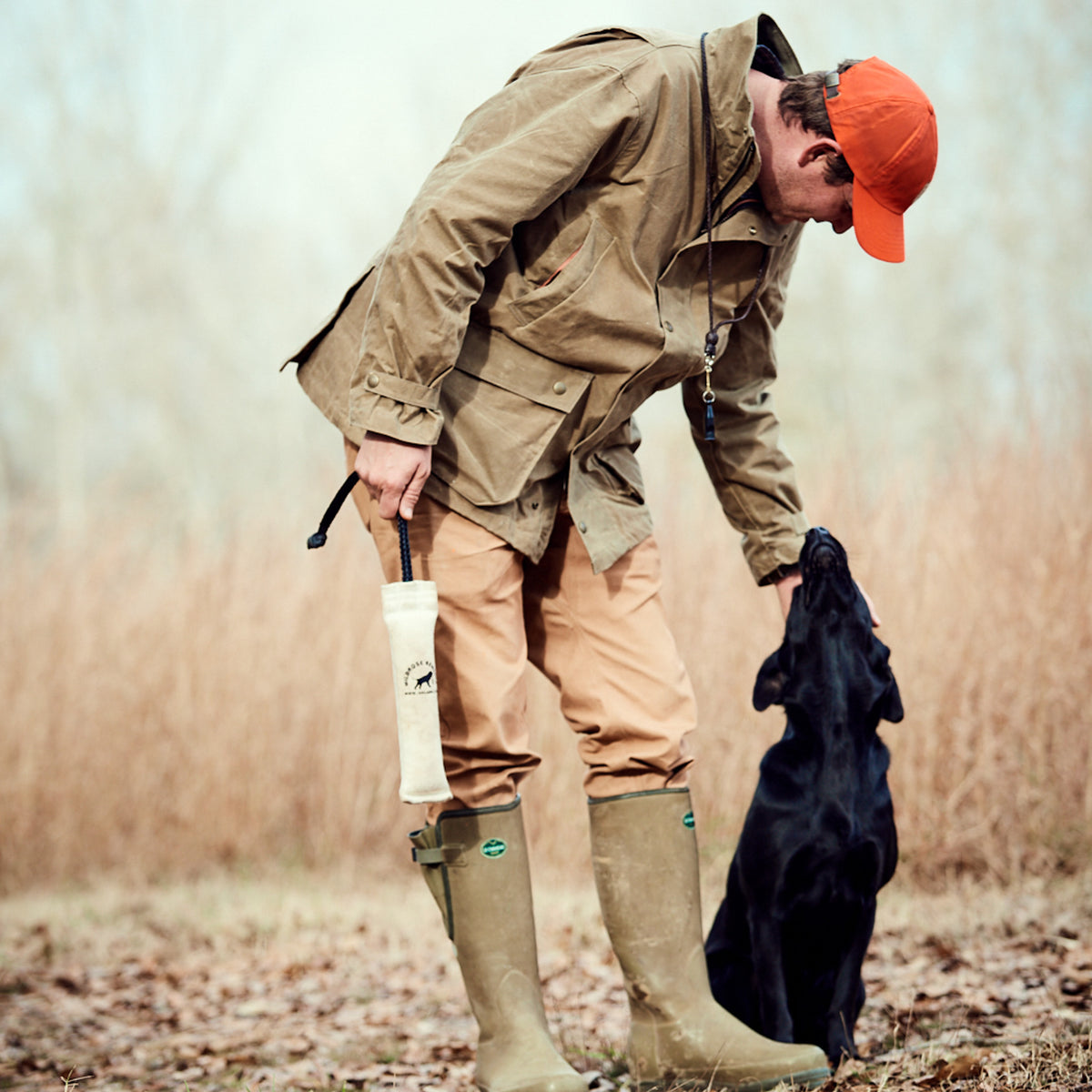
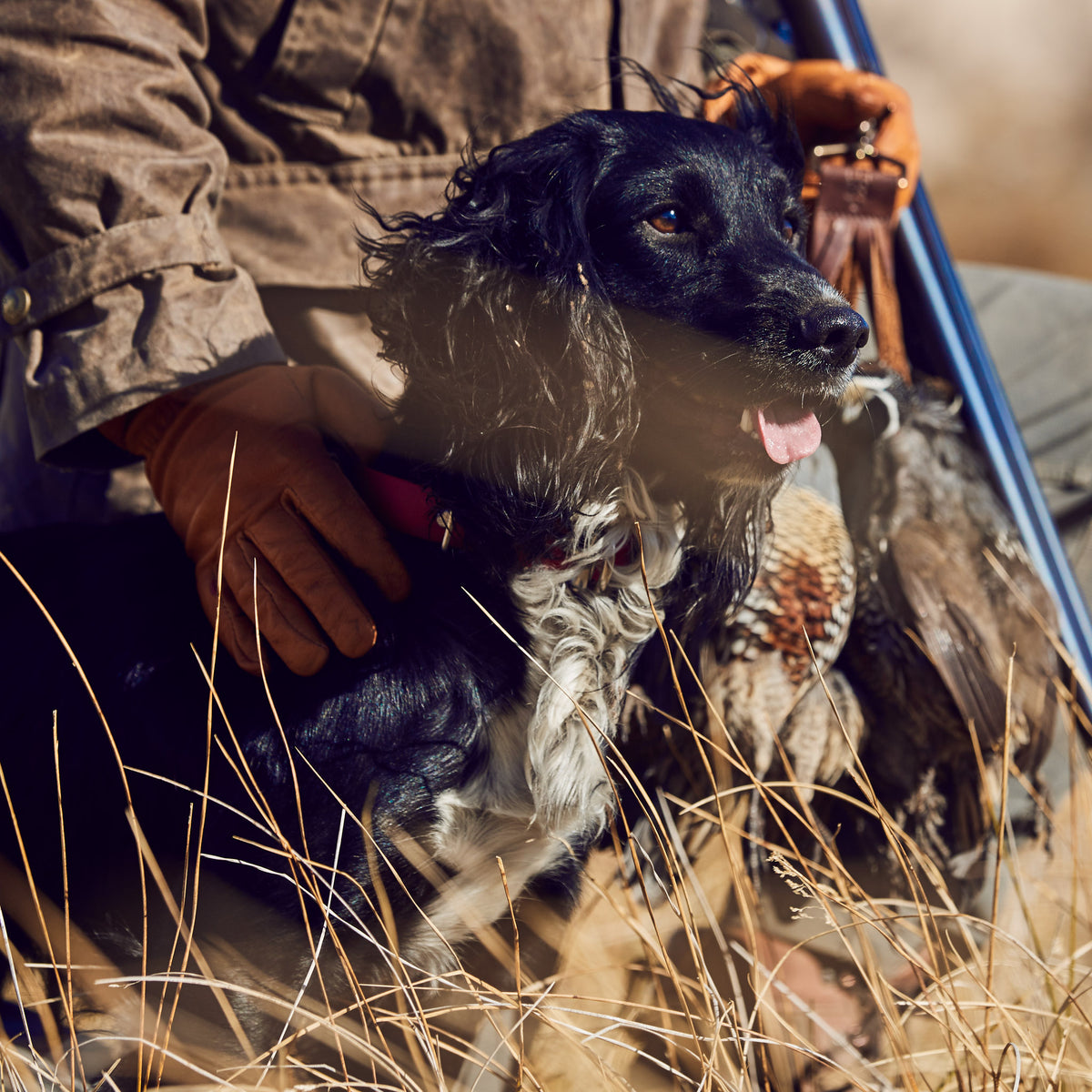
The famous Austrian zoologist and ethologist Konrad Lorenz called it, so simply, yet so powerfully, “the covenant,” that eons-old, mutually-beneficial agreement between humankind and dogs. It is an agreement that, for many of us, continues to this day.   

Dogs are one of man’s original survival tools, but no one knows for sure exactly when dogs and early humans began that association. Some say that relationship actually predates humans, going back, at least loosely, to the Neanderthals, while other research suggests the man-dog connection gelled most strongly in the early humans that supplanted Neanderthals in Europe some 45,000 years ago.

In fact, dogs may be an important clue in one of the biggest evolutionary mysteries in science: How and why did early humans thrive even as the Neanderthals disappeared? Some researchers now believe early humans may have had significant help from their recently domesticated dogs, which made early humans more efficient and effective predators, which in turn gave humans an important leg up on their Neanderthal rivals. 

We may never truly know when man and dog first found each other, and then found each other to their mutual liking, but what is known, irrefutably, is that dogs have been with us since the first stirrings of culture, of self-expression, of civilization, of—for lack of a better term—humanness.

When man first scratched images upon a cave wall to proclaim “I am here,” dog was there, too, watching. 

When man first left his cave and built homes of skins, mud, wood and stone, dog sat on his haunches and watched. 

When man first took the beasts he and dog once hunted to raise, dog became their guardian, too.

Every civilization that has ever arisen since the dawn of time, from flickering nomadic campfires to the paved streets of great empires, has arisen under the curious, watchful gaze of the dog. And we are the better for it.

My first dog was a huge, yellow mutt of indeterminate lineage, or even origin. We didn’t get him; he just showed up one day on our small rural acreage. 

We named him Chili, and much like Fred Gipson’s Old Yeller, Chili soon became my closest friend. We’d always had dogs, of course, but Chili was unquestionably mine. He accompanied me on my chores every day, feeding the chickens, the pigs, the rabbits, milking the goat.

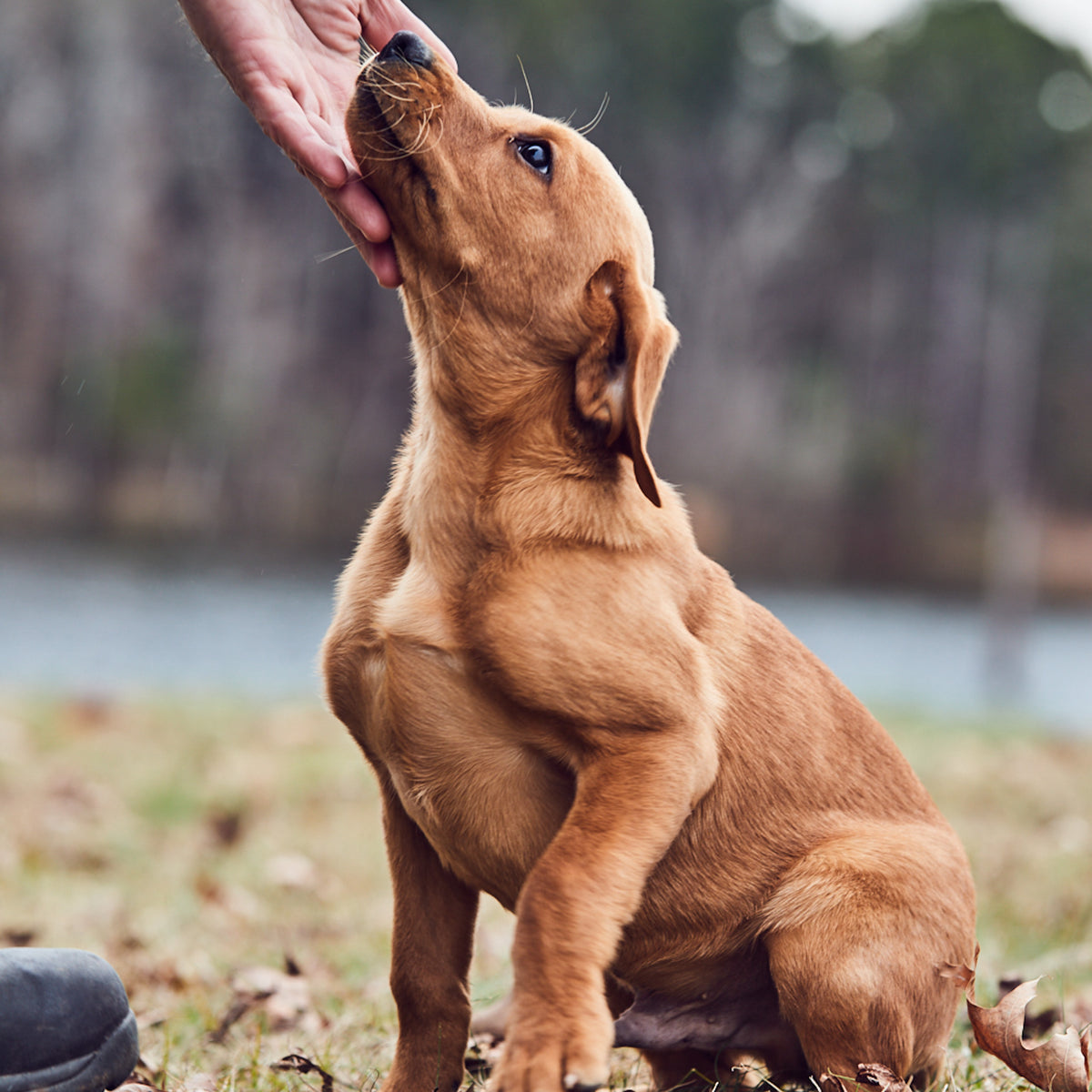
Especially milking the goat. Chili drank a lot of goat’s milk. After school and on weekends, I’d roam the woods sporting an ancient Daisy with a cracked stock, with Chili at my side. It was my first experience with the power of the human/dog bond, Lorenz’s “covenant”, and one I never forgot. I have not been without a dog since.

Today’s modern dog, in all his wondrous and varied forms, remains an unmitigated, irreplaceable marvel. While modern technology has largely (in some parts of the world, anyway) replaced the utilitarian roles of other animals like horses and oxen, technology—thankfully—has yet to replace, nor even improve upon, the dog, either as companion or workmate on the farm, the hunting field, the rubble of disaster, or the chaos of war. They still tend and guard, alert and protect, seek and find, and above all love unquestionably, better than anything the cunning mind of man has wrought. 

I will never be without one or three. They are an integral, essential part of my life. They define me. I may mess up, but my dogs never have. At least in my eyes, a home just isn’t complete without a dog. Their practicality, usefulness, and their unwavering loyalty and love far outweigh the costs and responsibilities that come with being owned by them.

Bill Tarrant, the late, great gundogs editor of Field & Stream magazine and one of the greatest literary stylists the hunting and fishing world has ever known, said it best…

“I’ve seen dogs break ice to retrieve a duck, stand on point with a thorn in a pad, go down a seventy-percent grade to head a sheep, chase a car cross-town to be part of a family outing, sniff out a warehouse while a policeman crouched outside with a drawn pistol, lick a sick man’s feet, kiss a crying child’s cheek, stare beseechingly at a mother’s worried face, raise an arm of a dead-tired man who’d worked too hard to make ends meet. I’ve seen men bury their dogs and not be able to stand up to leave the grave. And I’ve seldom known a man to mention a dog’s passing.”

I doubt we'll ever know, in any clinical or scientific sense, what draws us to dogs so fiercely; what compels us to seek out their companionship, even in the most harrowing of circumstances.

But we do. Because no matter how bad things are, no matter how bad things might get, the presence of a dog somehow makes things seem a little better. 

A scratch behind the ear, the wag of a tail, a warm body curled up at your feet; pharmaceutical companies would pay any price to synthesize how that makes us feel. 

Thankfully, you can't just manufacture that kind of emotion and stuff it in a pill. It comes from a place pharmacology and technology can't yet touch. Dogs humanize us in ways we can’t even humanize ourselves. And we are the better for it.

Replace them? How? And, I ask, with what?